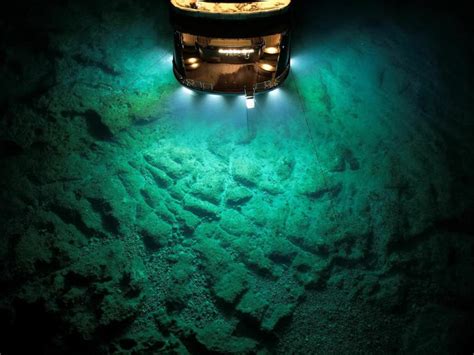
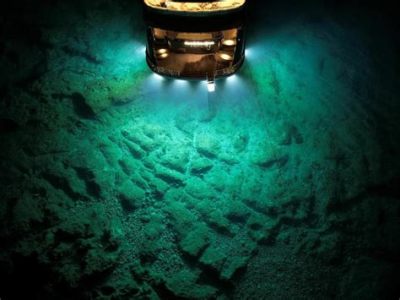
Seabed mining is an emergent industry that adapts practices and equipment from land-based mining to extract metals and minerals from the seafloor. Resources are being sought from deeper and deeper beneath the oceans. Benthic ecosystems, plants and animals that live near the bottom, are at risk of destruction and even extinction from seabed mining.
Our Geographic Foci
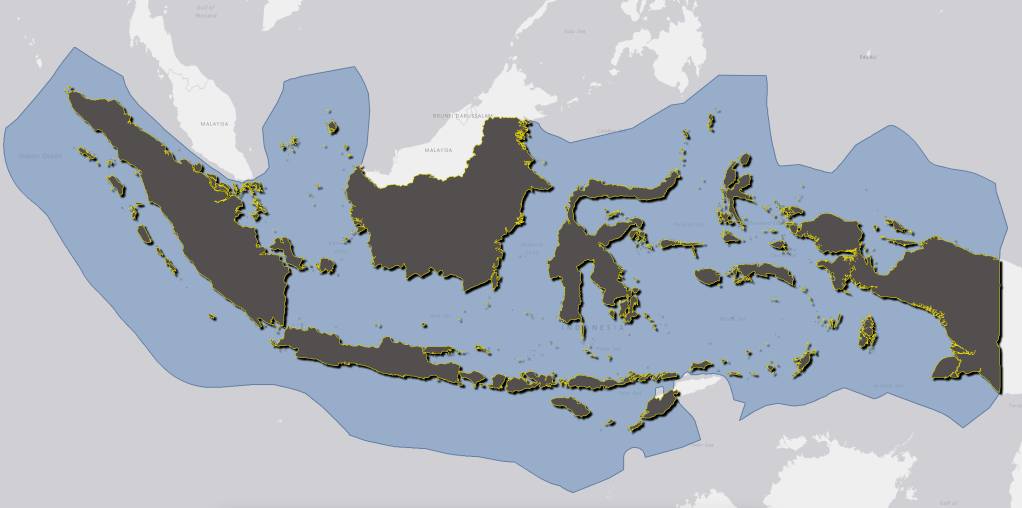
Indonesia
Tin extraction from the seafloor has been undertaken off the Bangka and Belitung Islands for over 150 years. Under Dutch and British colonial control, tin extraction used enslaved Chinese and Native Malay peoples to undertake this dangerous work. At present, commercial large-scale seabed mining operations and small-scale artisanal tin divers continue tin extraction practices in this area.
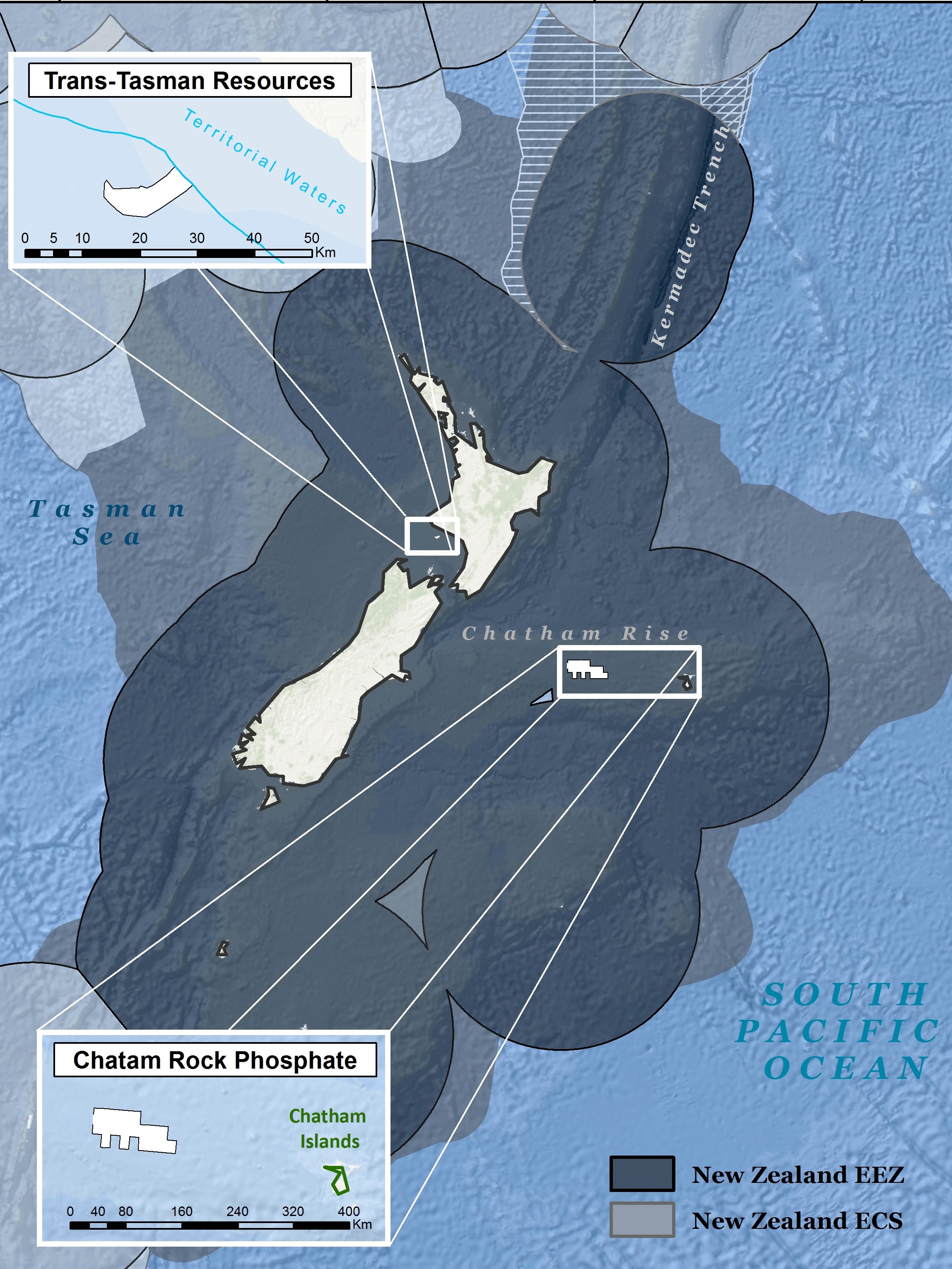
Aotearoa New Zealand
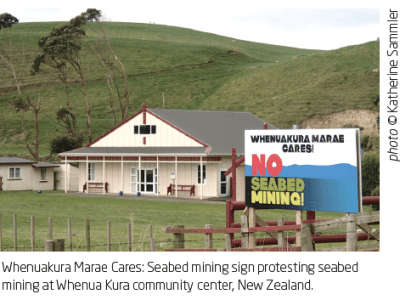
Trans-Tasman Resources submitted a proposal in 2013 to mine iron sand off the coast of the North Island. In May 2014, Chatham Rock Phosphate submitted materials to mine phosphorite nodules from the Chatham Rise. A protracted legal battle continues, and it is unclear whether the extraction projects will move forward.
International Waters
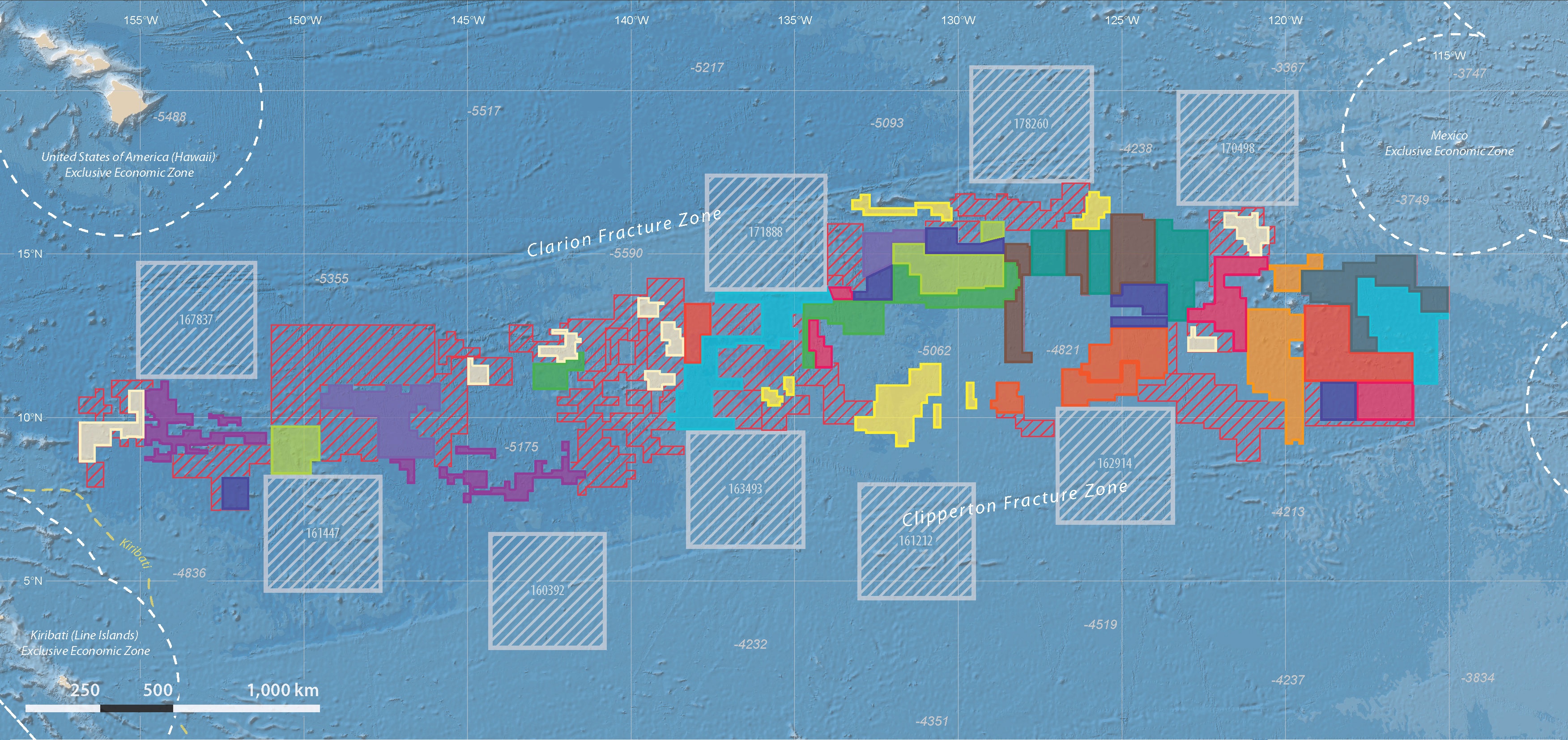
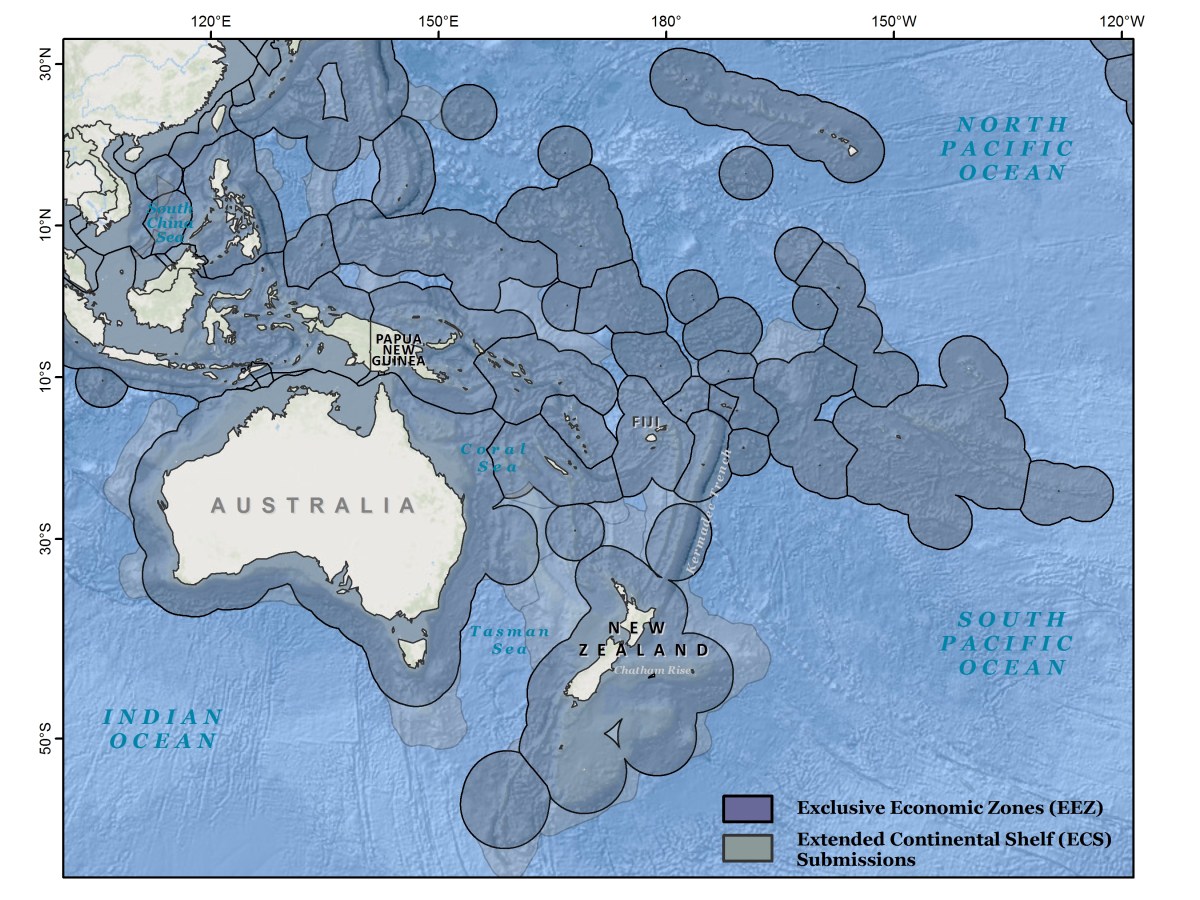
The ares beyond national control are defined as High Seas and designates as Common Heritage of all Humankind. It is still unclear when, and if, mining will begin in this region, but mining applications will be evaluated by the International Seabed Authority by 2025. The rules governing the industry are still under negotiation.
Outputs


InhabitantsTV on Seabed Mining
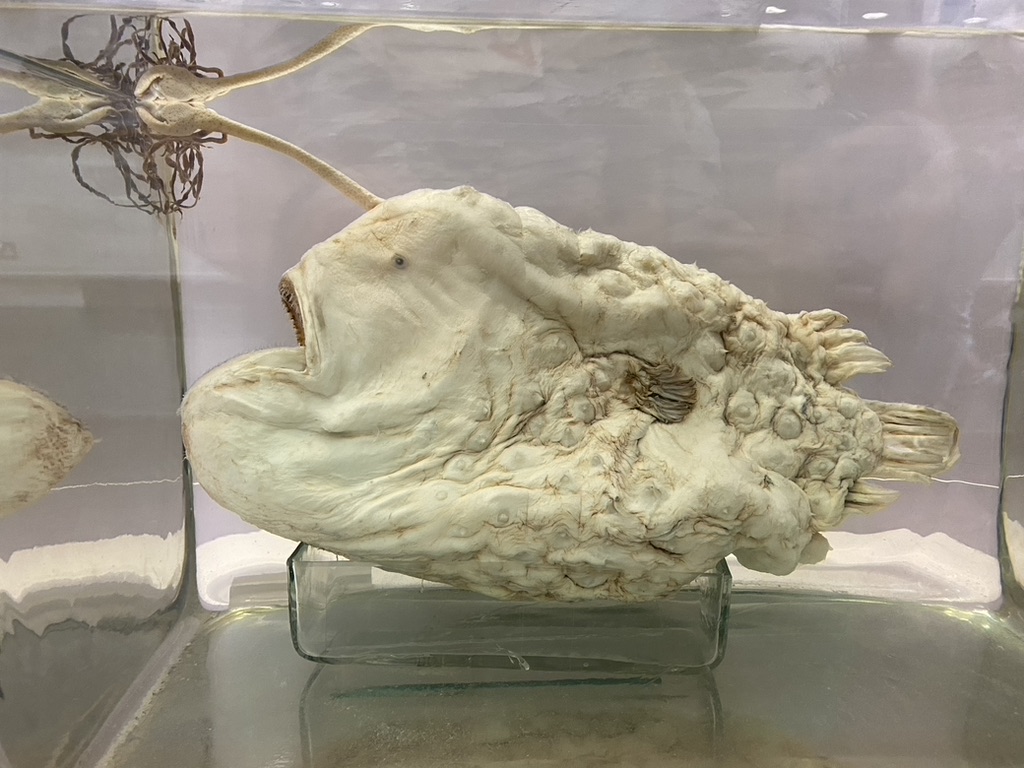
Over 5,000 new lifeforms have been discovered while prospecting for deep sea minerals.
 Marine Political Ecology Collective