
recently completed a PhD at the Helmholtz Institute for Functional Marine Biodiversity, Germany, focusing on exploring the intricate connections between science, policy, and the environment. Through the application of theoretical and methodological approaches, he delves into diverse topics, including the BBNJ and plastic treaty negotiations, the geography of the high seas, Landlocked states rights at the sea, political ecology, power and policy dynamics. Solomon’s is now a postdoc at Univesitet de les Illes Balears in Mallorca, Spain.
Outputs
Seas of Consequences: Social and Natural Science Narratives on Environmental Harm and Crime at Sea
Seas of Consequences: Social and Natural Science Narratives on Environmental Harm and Crime at Sea workshop, April 15–17, 2026.
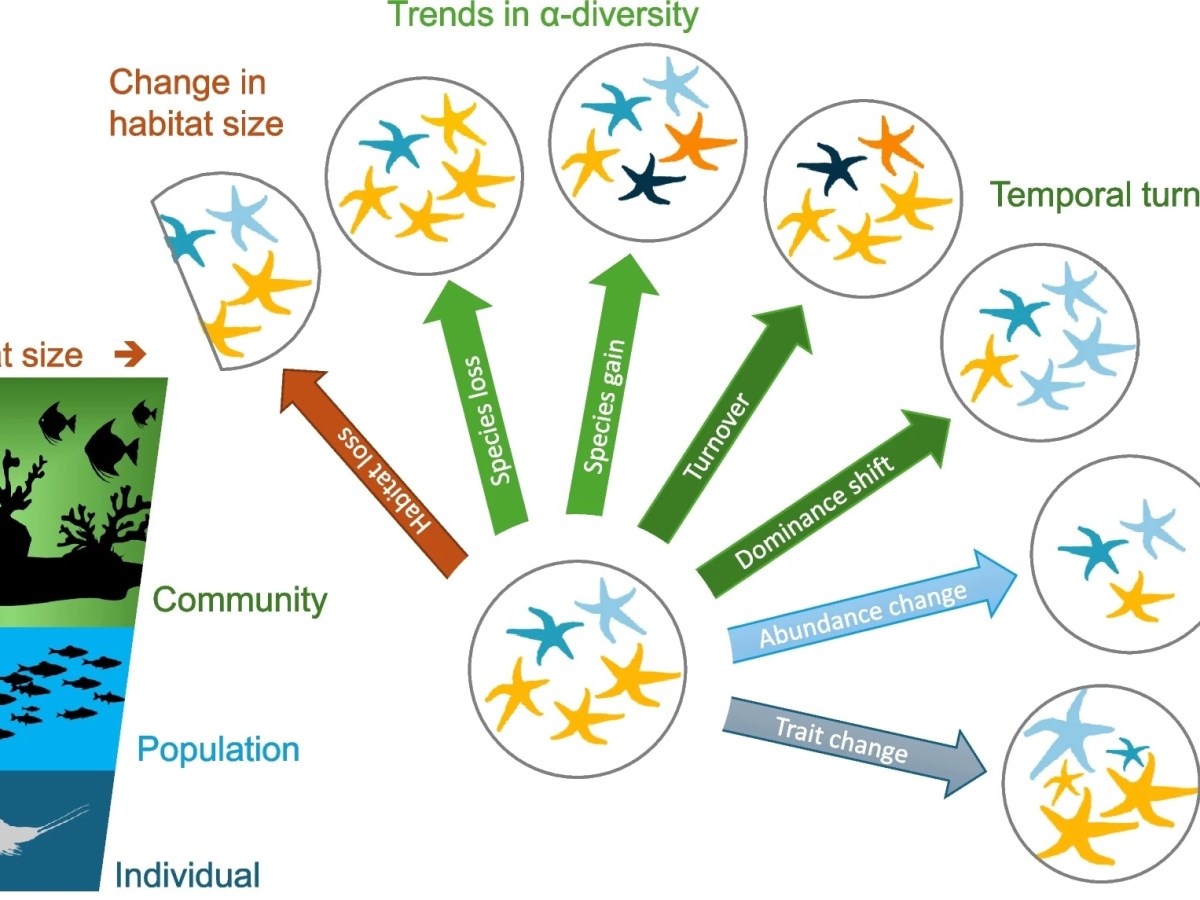
Towards a broader perspective on marine biodiversity change
Biodiversity decline jeopardizes the foundation of natural ecosystems and human well-being, a concern that prompted major global agreements aiming to bend the curve towards a net positive biodiversity future. Still, the critical importance of safeguarding the diversity of life is far from receiving the attention it deserves, especially in marine settings.
Governing biodiversity: ambiguity and fragmentation in the BBNJ Agreement
Read this open access article here: https://doi.org/10.1016/j.ocecoaman.2025.107913 ABSTRACT: As the global ecological crisis intensifies, international efforts to conserve biodiversity in Areas Beyond National Jurisdiction (ABNJ) has become increasingly urgent. The Biodiversity Beyond National Jurisdiction (BBNJ) Agreement is widely regarded as a breakthrough in ocean governance, yet it enters a legal and conceptual landscape marked by…

“Our fish are not your marine biodiversity”: tensions in integrating fisheries into the BBNJ Agreement
The 2023 Biodiversity Beyond National Jurisdiction (BBNJ) Agreement aims to conserve and sustainably use marine biodiversity in areas beyond national jurisdiction. However, separating fisheries from broader conservation frameworks has led to fragmented governance. This paper examines how spatial, technological, institutional, and philosophical tensions complicated efforts to integrate fisheries within the BBNJ framework
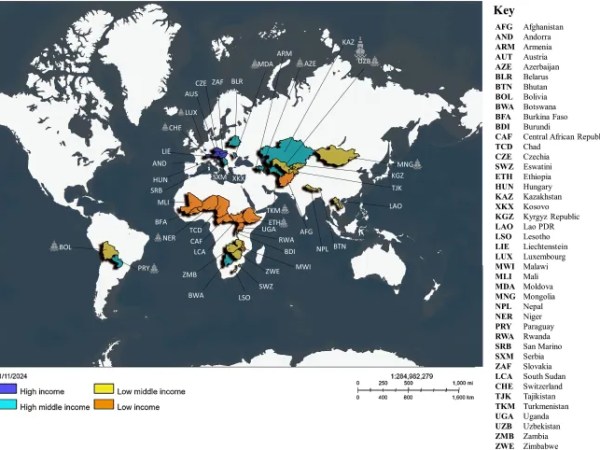
The landlocked ocean: landlocked states in BBNJ negotiations and the impact of fixed land-sea relations in global ocean governance
This article explores the complexities of landlockedness in international discourse and its impact on global commons management, using the recent BBNJ agreement negotiations as a case study. It highlights the dynamic nature of landlockedness, influenced by social, economic, cultural, geographical, and political factors. The article advocates for more inclusive approaches in international policy debates.
 Marine Political Ecology Collective