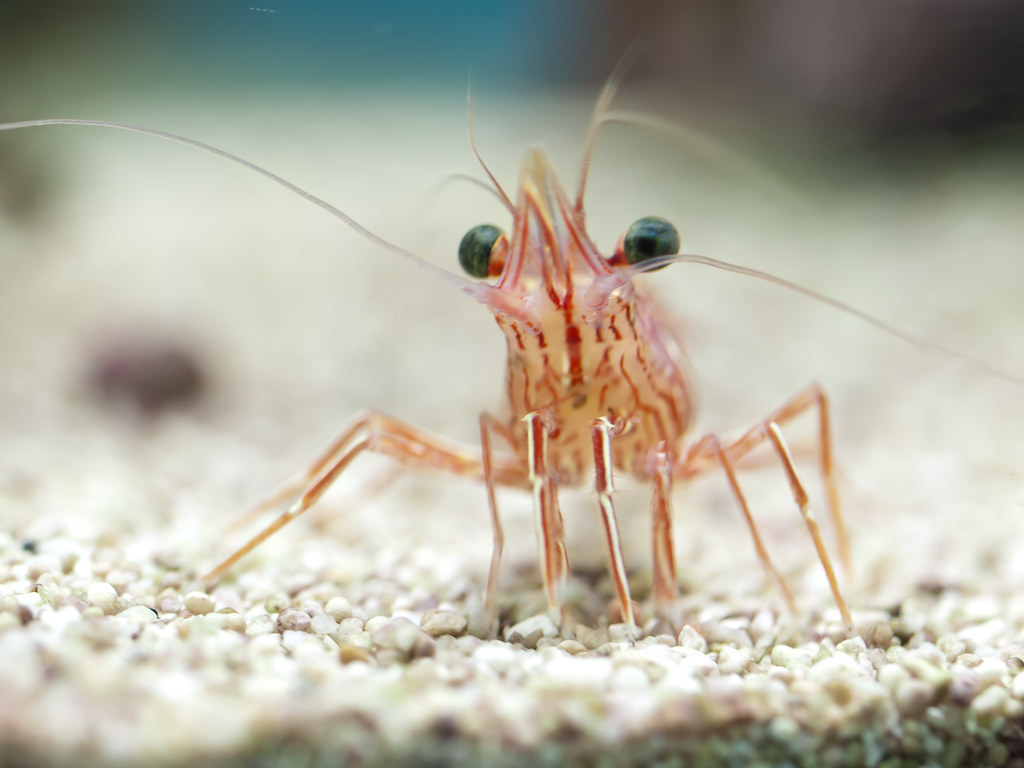
Julieta Vigliano Relva recently completed her PhD at Ghent University (Belgium), where she investigated the effects of climate change on the availability of essential nutrients at the base of marine food webs. Alongside her ecological research, she is interested in knowledge production and narrative approaches in marine science. Her current questions include how dominant narratives shape representations and imaginaries of the ocean, and the material consequences these have for ocean justice, conservation, and governance.
Outputs
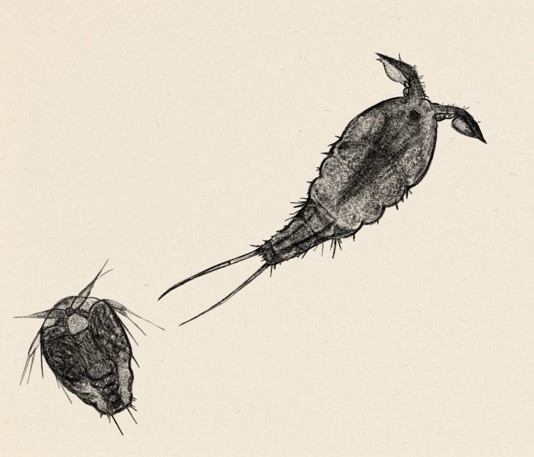
Food quality mediates the temperature–size rule in a marine primary consumer:evidence from trophic biomarkers
The temperature–size rule predicts that rising temperatures lead to smalleradult sizes with important consequences for fitness, but how this responseinteracts with temperature-driven changes in food quality remains unclear.Fatty acids are critical indicators of good food quality and hold thepotential to unravel these interactions, while stable isotopes can revealmetabolic responses. In a fully crossed factorial design, the benthic copepodTachidius discipes was grown…
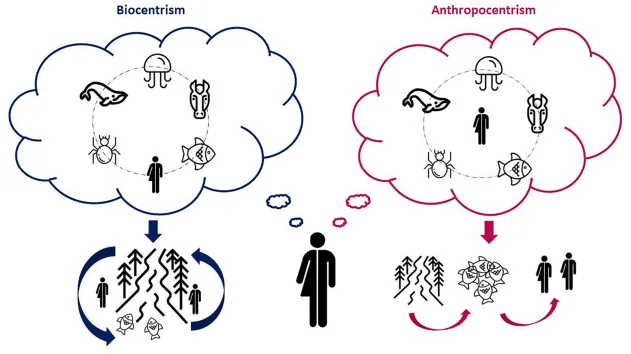
Through the Eyes of Another: Using a Narrative Lens to Navigate Complex Social-Ecological Systems and to Embrace Multiple Ways of Knowing
Many social-ecological issues are characterised by a multiplicity of stakeholder voices with often fundamentally divergent values, beliefs or worldviews. Those differences in perspective can be also viewed as different narratives on individual, community and cultural scales that both express and reinforce people’s identity, value system and manifested behaviours. Navigating between those narratives requires approaches that facilitate the co-existence of multiple ways…
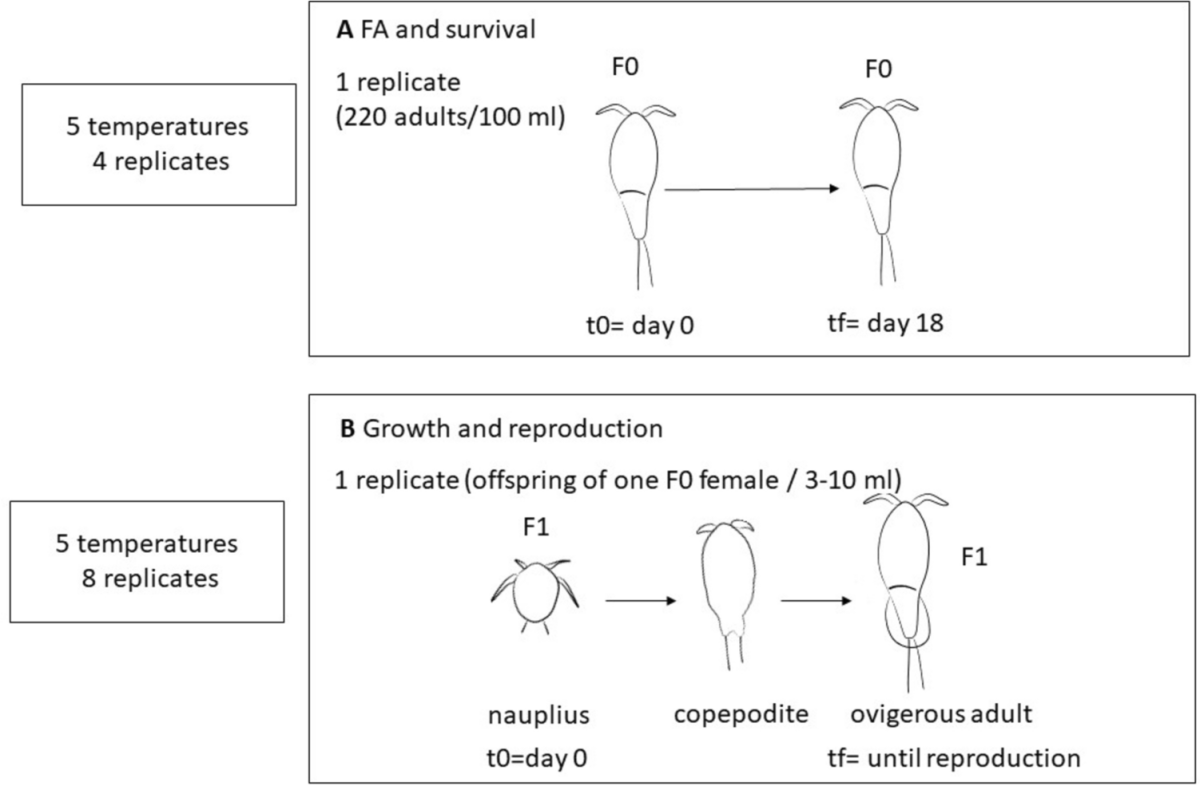
Temperature increase alters relative fatty acid composition and has negative effects on reproductive output of the benthic copepod Tachidius discipes (copepoda: Harpacticoida)
Vigliano Relva, J., Van Colen, C., Barhdadi, W. et al. 2024. Marine Biology. 171, 22. https://doi.org/10.1007/s00227-023-04343-9 Abstract Copepods are aquatic invertebrates with a key role at the basis of marine food webs due to their high biomass as well as their elevated fatty acid (FA) content. Eicosapentaenoic acid (EPA) and docosahexaenoic acid (DHA) are two FA abundant in copepods which have…
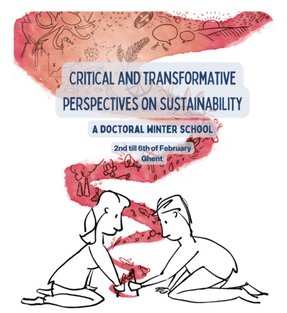
Critical and transformative perspectives on sustainability: a doctoral winter school. Feb 2-6, 2026
“The ecological crises we face today are global phenomena that cut across geographical, national, and social boundaries. The complexity of these crises requires us to break through the boundaries between academic disciplines and think in inter- or even trans-disciplinary ways. It is important to do so, not only when trying to understand the causes of myriad forms of environmental disruption, but…

